For an overall discussion of this design go to: SHEWAC Aberration
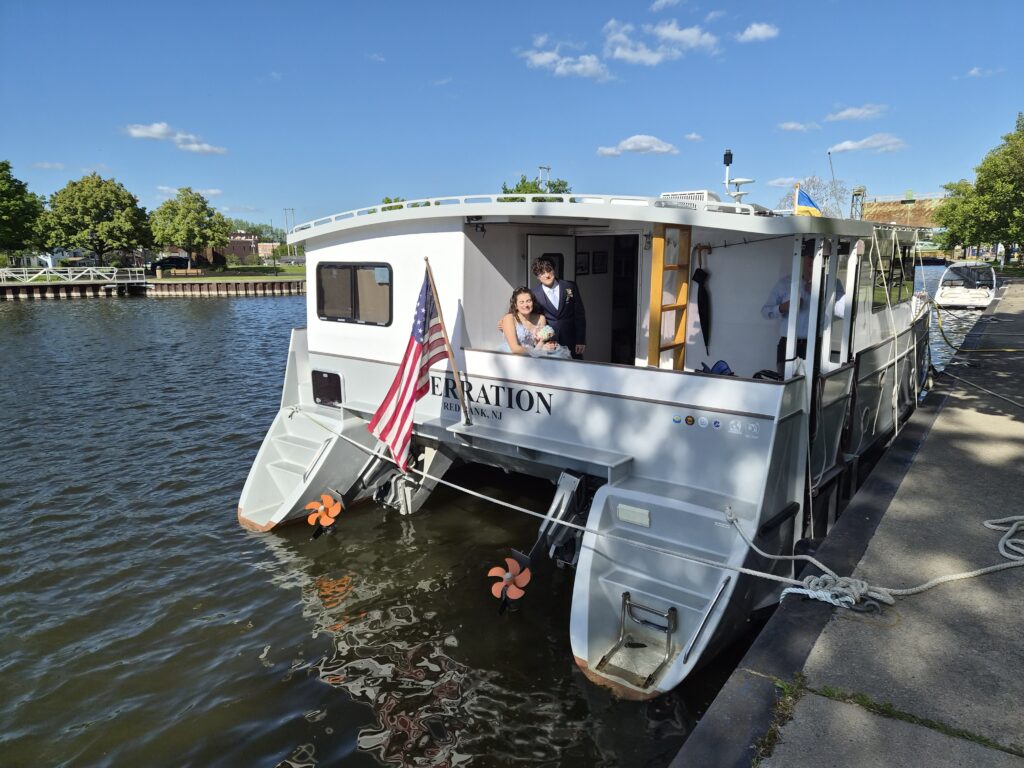
Over the last five years service, Aberration’s propulsion plant has seen significant modification and upgrade.
As outlined in the original powerplant description the propulsion plant was completely Torqeedo (Primary chargers, batteries motors and controllers) with afloat power supplied by a 12.5 kW diesel generator and solar panels. Secondary chargers and inverters and solar controllers were supplied by Victron.
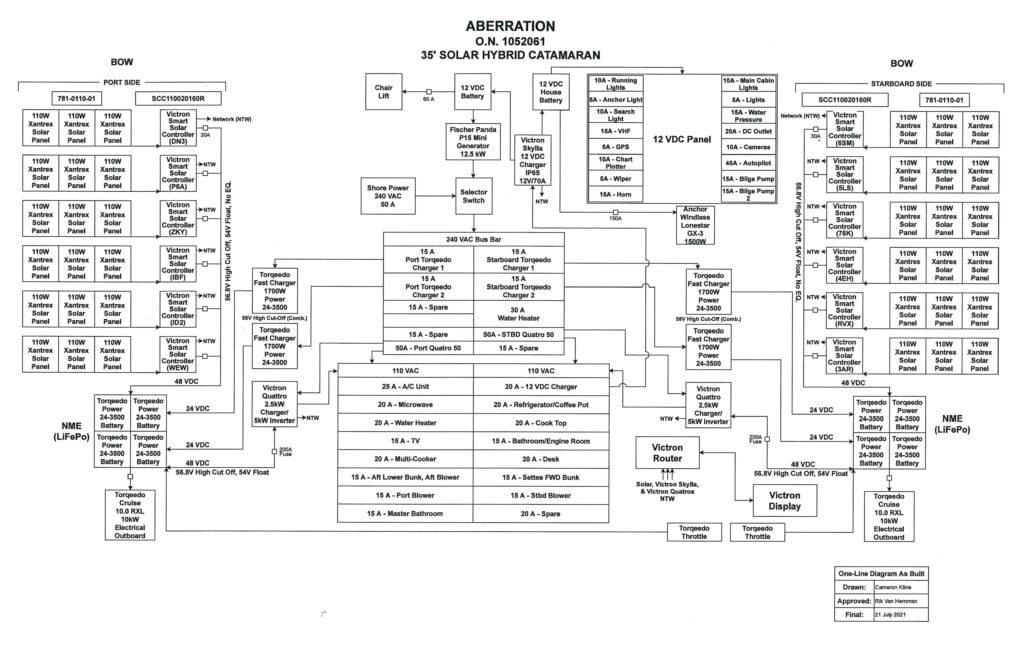
The whole system was port and starboard side independent which provided take home power in case of a failure on either side.
Almost immediately upon commissioning in spring of 2021 it became apparent that from a user point of view the Torqeedo equipment was poorly designed.
The throttles supplied with the motors had no backlighting, which at night made it difficult to control the engines because they provide no audio feedback on RPM’s like diesel engines.
The push buttons on the throttles were membrane buttons without haptic feedback.
Almost immediately we experienced mystery shutdowns that were extremely difficult to revive and unexpectedly reoccurred.
At the end of the first season (2021) one of the engines died. The engine was shipped to a dealer in Connecticut who diagnosed a controller failure and the engine was repaired under warranty, but I had to pay for the dismounting, shipping costs and remounting.
At commissioning in 2022 the batteries refused to go on line. There were many cryptic exchanges with Torqeedo with instructions such as:
-
- Power on the system
- Remove the ground connection from the parallel connecting batteries
- Use a multimeter to measure voltage for each battery
- Bypass the low voltage battery data connection by removing the data cables and plug them into each other
- Connect grounds that you removed
- Power “off” the batteries ( bypassed battery will stay on)
- Plug-in charger and see if battery starts charger – If not see below
-
- Bypass all battery data connections at batteries
- Plug in the data connections for the battery that isn’t powering on
- Press the on/off power button on the remote
- See if the charger start when you activate the battery
Eventually I was shipped a replacement battery which required another complex process to get it to match with the other batteries.
In August, 2022 I went through another trip through battery mystery wonderland.
The charger displays failed which made trouble shooting difficult.
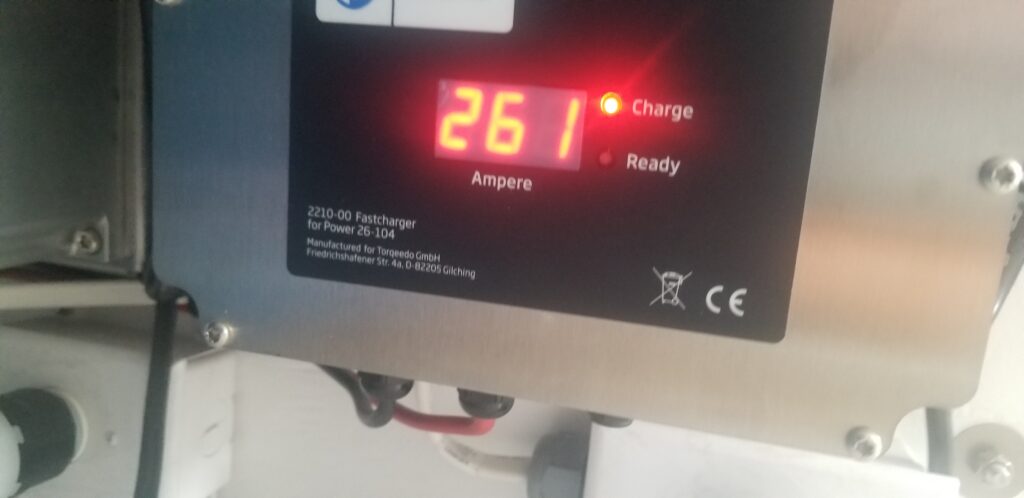
Later that month Torqeedo agreed to ship four new batteries, associated hardware and two new throttles which were installed during the winter in Albany.
Various software errors occurred in the replacement process.
The boat was commissioned in April 2023.
On April 24, 2023 on the run from Albany to its summer berth in Red Bank, NJ the starboard engine failed in a spectacular, and according to Torqeedo, impossible fashion, where it was actually generating power on the freewheeling propeller.
The boat ran on the port engine to its summer berth.
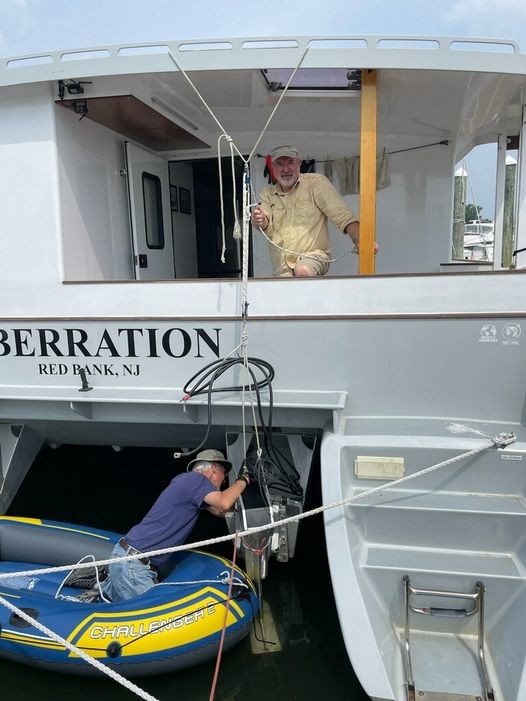
This is where I discovered that while there is a separate switch for the motor tilt, it will not work if the motor is not switched on. As such, the starboard motor could not be lifted out of the water. These units do not have a release that allows the motors to be manually lifted so now the lower end is getting barnacle encrusted.
Trouble shooting is incredibly slow with on average two day delays between sending a test result to Torqeedo and getting a response.
By May 22, 2023 I am still trouble shooting batteries, checking if it is the throttles, and not making any headway.
By May 29, 2023 Torqeedo suggest that their batteries may not work in Aberration’s design. They are suggesting a complete reconfiguration that will severely affect the performance of the boat.
Slowly it becomes apparent that there are too many unknowns in the management of the Torqeedo batteries and it becomes clear that Victron batteries may be a better choice.
On June 8, 2023 Torqeedo confirms that the solar panels and Victron chargers can only charge to each battery at 24 volt and not in series at 48 volts.
Torqeedo advises that the batteries, the Torqeedo chargers and the starboard motor be shipped to the dealer in Connecticut.
With help from friends we perform an in the water motor dismount and I drive it all down to Connecticut in the minivan.
Meanwhile, I sourced Victron batteries. The original full battery capacity was 28 kW hours. I decided to get a total of 4 Victron 5 kW hour batteries (2 in series per side) for a total capacity of 20 kWh.
Charging would be through the Victron solar controllers and the Victron Quattro charger inverters. This reduces my generator charging capacity from 6kW per side to 3.8 kW. All together a substantial loss of performance, but if the Victron batteries work out, I can increase the battery capacity by adding another 4 Victron batteries.
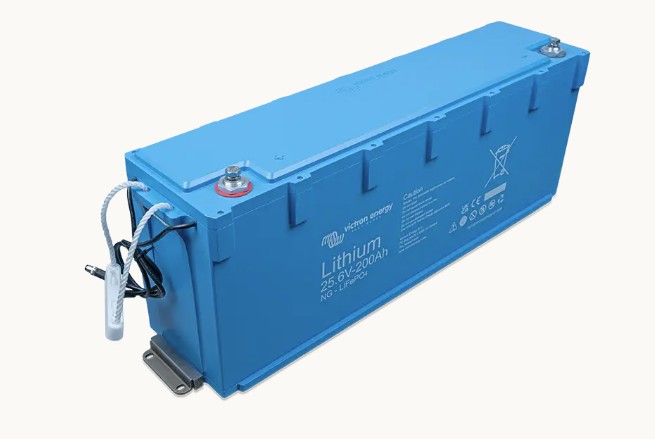
That would increase my total battery capacity to 40 kWh at the same battery weight.
On June 23, 2023 the Connecticut dealer informs me that the engine control failed from water ingress.
I contacted Torqeedo and invoked this as a warranty issue but also expressed concern about the fact that there was water ingress noting that there is supposed to be a water ingress alarm and that the motors are never submerged and even barely splashed.
By July 7, 2023 Torqeedo had not responded to my repeated requests to resolve this, except to note that the warranty had expired. Apparently Torqeedo does not warrant their equipment based on commissioning date but rather on purchase date. Ironically, Torqeedo had recommended I would purchase their equipment as early as possible since they occasionally had delivery delays. As such, the equipment had been ordered 7 months before the boat was commissioned.
This attitude resulted in a full court press and, long story short, on July 10 I was informed that they had received my complaint, and on July 18, 2023 Torqeedo confirmed that they will ship two new motors with redesigned throttles to my house.
I was excited about the new throttles since they were reported to have backlighting and haptic feedback membrane switches, but Torqeedo would not provide any warranty coverage on the replacement engines.
On July 21, 2023, I unpacked the motors and decided to test the motors operationally in my garage before installing them on the boat.
On July 30, 2023 I have one motor wired in my garage and it refused to fire up.
Over the next week, I receive useless video links and trouble shooting links and on August 5, force a zoom trouble shooting session with Torqeedo’s main guru.
At this stage I am told to remove the cover. I built a custom tool to remove the cover and discover that the cover design is defective that it is physically impossible to be reliably watertight.
Once the cover was removed, it became apparent that these motors had been shipped with a controller that is incompatible with the throttles.
I installed the overnight mailed controllers and the motors ran.
Now I had to hacksaw the mounting clamp elbows off and install the system aboard the boat.
That included installing the Victron Battery Management System. Beautiful design, but a lot of work to get it all to fit.
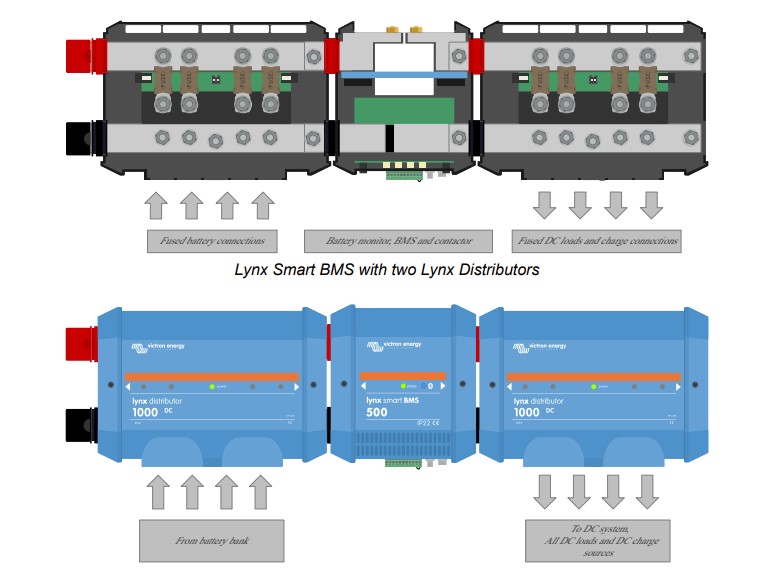
On August 21, 2023 it was all installed and the battery management system needed to be configured by Chris Hanrahan of Tekris.
On August 28, 2023 the boat was trialed and found to run properly. The Victron battery management system was a revelation. The Victron batteries and all other components are Bluetooth and I could see the voltage of each battery down to each battery cell. The Battery Management System will even tell me when a particular fuse is blown and the unit itself will make a clicking sound to note that there is a fault and I should check my phone.
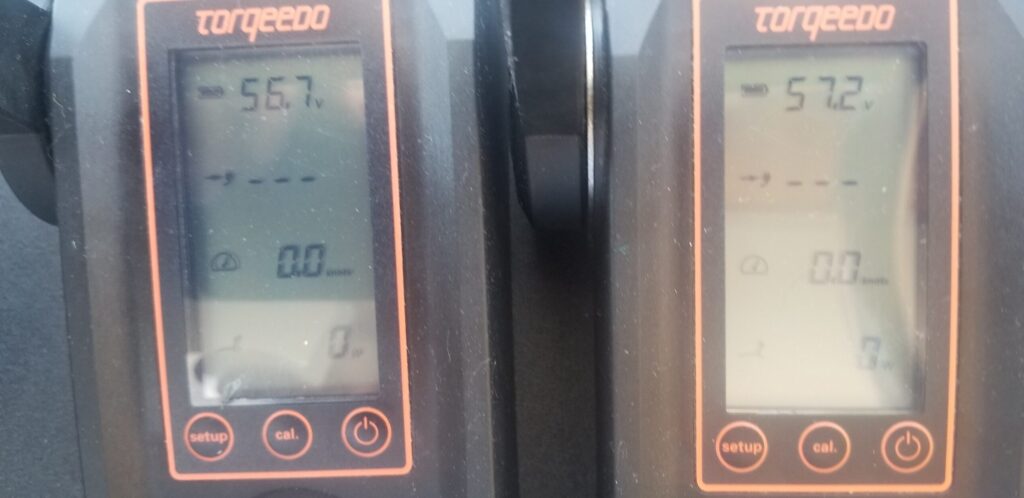
I could not get the Torqeedo throttles to read the battery voltage and at startup always got a “Dangerously low battery” message which I then acknowledged and the throttles would show zero battery voltage during operation.
Overall, the boat ran much better without battery and charging problems and when the boat arrived for winter storage at Scarano in Albany I installed 4 more batteries That resulted in four batteries per side for a total battery capacity of 40 kWh. A substantial improvement over an original capacity of 28 kWh at the same weight.
I donated the motors chargers and batteries to the Hudson River Maritime Museum that runs a Torqeedo solar powered passenger vessel.
This is the updated one line diagram, which is actually simpler (and therefore better) than the prior version.
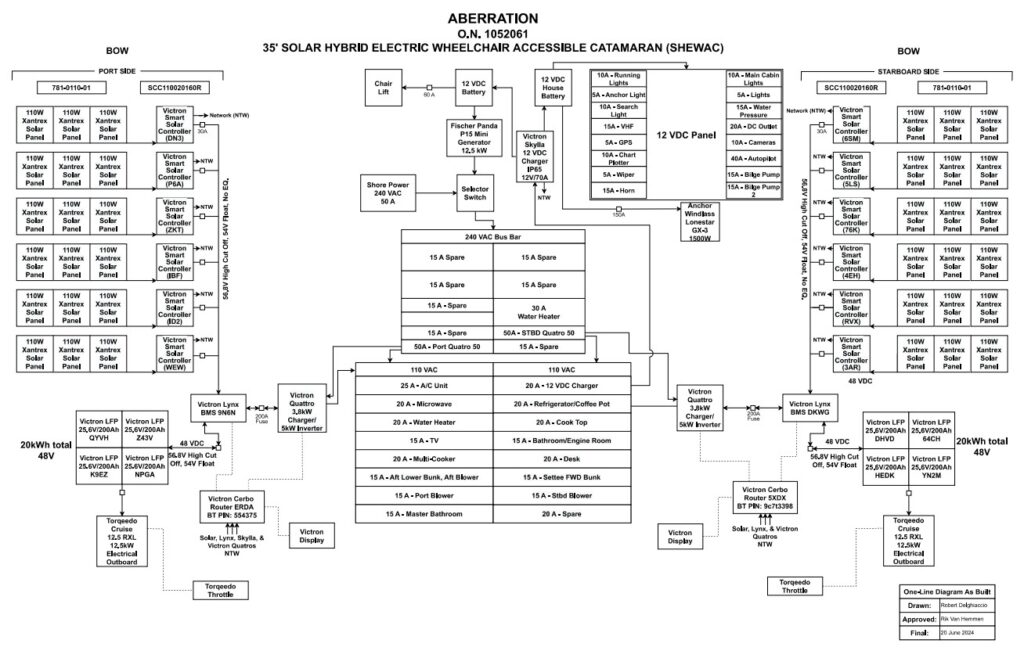
The combination of 40 kWh battery capacity and the 7,600 W maximum charging capacity has shown to be a nicely balanced set-up. No doubt charging capacity in the 10 kW range would provide somewhat more flexibility, but in actual operation it all works.
Running each engine at 1500 W results in a 4.5 knots speed and allows over 10 hours cruising without solar input. Most local trips are completed without running the generator.
At 3,800 W per engine, the boat makes about 5.8 knots. If I start the day with a full battery charge, and start the generator right away, I can make 6.5 knots and use the batteries for boost for at least 8 hours.
In practice, on long days cruising I start the morning on batteries alone for peace and quiet. I run the batteries down to about 50% and start the generator run at about 5.8 knots, and when I know I am within battery range to a charge point, stop the generator and run to the marina nice and quiet on batteries alone. Keeping 50% on the batteries has proven to be useful since on two occasions the generator failed on a long run and I simply ran to a marina on batteries alone where we fixed the generator.
Meanwhile, to date, all Victron equipment; batteries, chargers, displays and BMS has run flawlessly (knock wood).
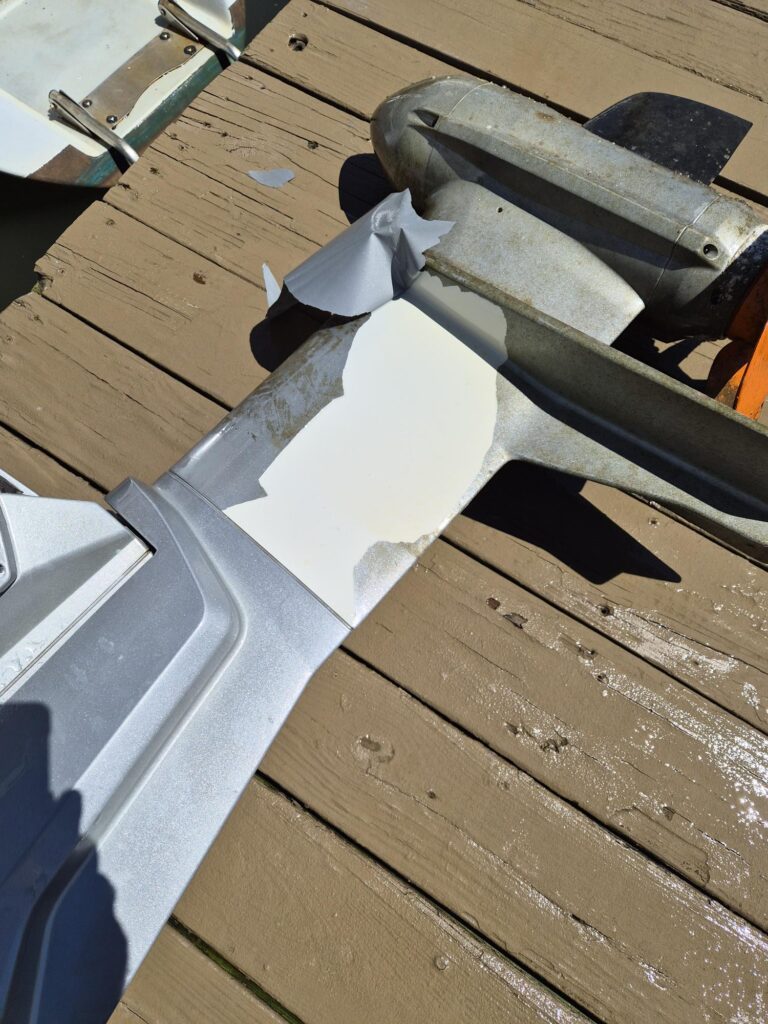
The Torqeedos ran with the mystery shutdowns, frustrated me with the clunky startup, ran with gear noise, made propeller replacement more difficult than needed, and at the end of the 2025 season started to lose the paint which peeled off in large sheets.
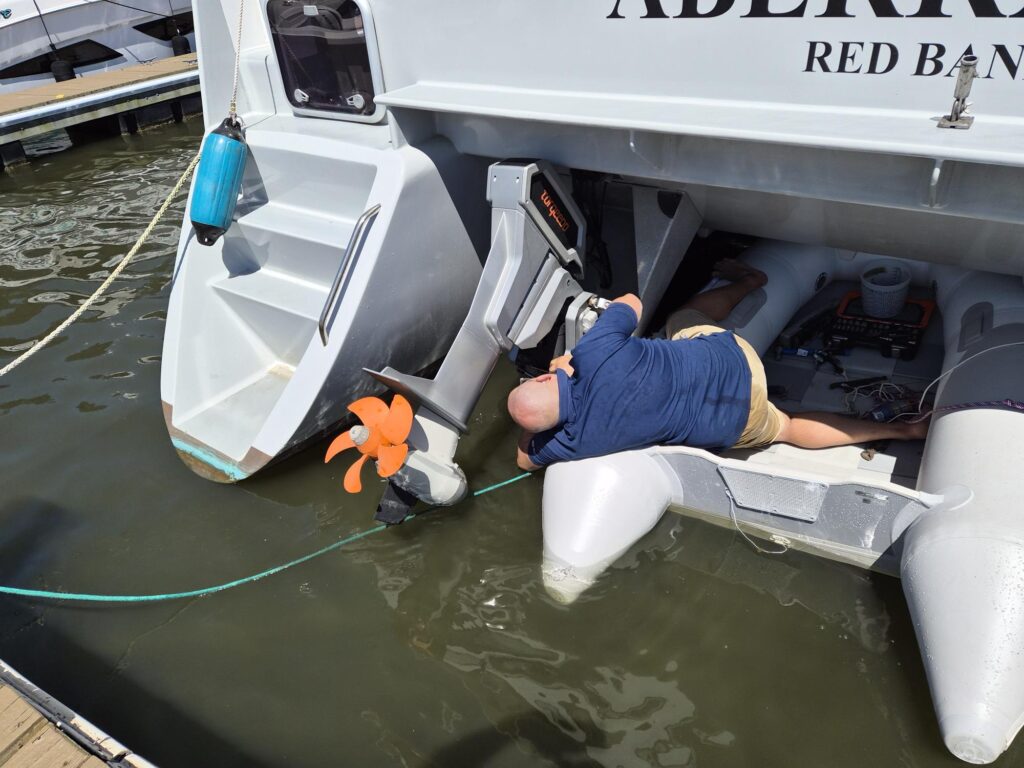
For spring 2026 we decided to go on a long cruise up the Erie canal. We ran for over 600 miles without any electric propulsion problems and then within two miles of the home marina the starboard engine failed.
As an experienced Torqeedo trouble shooter and with the ability to eliminate battery problems with the Victron diagnostics, there was only one test to perform without taking the cover of the motors and that is to swap the throttles (super simple by swapping the adjacent NEMA connectors).
That test showed the covers had to come off. Due to the weird cover design, that is an impossible task to perform in the water.
The next step would be to dismount the motor and ship it to Connecticut for an evaluation and possible repairs or replacement of the motor on my dime.
It was fortunate that this failure occurred near my home marina, if it had happened far up the Erie canal it would have been logistically much more difficult.
And what about the other motor? How much life was left in that one?
It was time to think about alternate solutions.
A search for replacement electric outboards was started. There were some options, none terribly attractive. Many were 96 VDC powered which would require me to completely replace the battery and charger set-up.
One interesting option did show up. It is called Rimdrive.
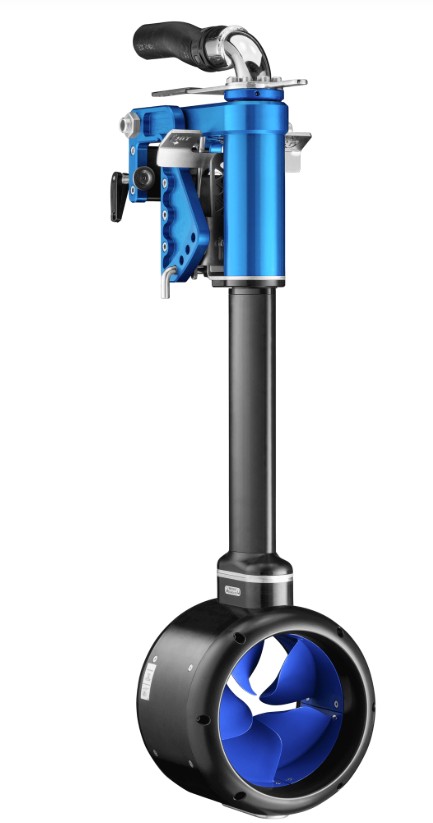
They had compatible 11 kW, 48V drives and their local rep was in Asbury Park, 15 miles from the boat. (They had 8 kW drives too, but during discussions with Rimdrive it was felt that for maneuvering, the larger diameter unit would be needed)
These Rimdrives are established technology, but so was Torqeedo, and that was not found to be proof of effectiveness and reliability.
But I am a little smarter now and there were quite a number of aspects to Rimdrives that made them attractive.
-
- 1. A local rep
- 2. The outboards only contain the drive motor. No gears, no controllers.
- 3. The controller is mounted in the vessel and that allows ready swapping for trouble shooting (and even argues for carrying a spare controller)
- 4. The physical design is much more Jeep than BMW, it can actually be taken apart without custom tools.
- 5. At first glance it appears that propeller swap out (or rather blade swap out) is easier than the Torqeedos.
- 6. There is no power lift on these motors. That seems like a disadvantage, but is actually an advantage since powerlift brackets are readily available.
- 7. They are about 10% more efficient at the speeds that I operate the vessel.
- 8. It looks like they will be less sensitive to propeller fouling and propeller damage, but that remains to be seen.
- 9. They are about half the weight of the Torqeedos.
There are some disadvantages too.
They are made in the Netherlands and there is no US stock of spares. And since they are made in the Netherlands what used to be a duty free purchase, under the Orange Whale now carries a 10% tariff.
I am in the middle of the modification and once the system is running, I will provide a further evaluation.
Oddly, if and when this works out well, the entire Aberration power and propulsion system will be Dutch designed and produced. Holland make me proud!
Meanwhile, I want to make sure there is no confusion about my above discussion of the Torqeedos.
One may assume that I am deeply dissatisfied with Torqeedo and their gear and carry a deep dislike for their people.
That is only partially true. I deeply dislike the Torqeedo designers. Meanwhile, I actually feel sorry for the Torqeedo people that have to deal with the Torqeedo customers. They are forced to sell a product that they know has significant flaws and can only hope that the equipment is used in a tightly confined envelope where it will do the job.
However, due to its incredibly bad design, once it hits the more random real maritime world where it serves as equipment rather than a toy, it becomes evident that the design is deeply flawed.
Design is always a trade off. Do I design for fire and forget? Do I design for open architecture where the customer can mess with things, but also mess things up? Do I make it sexy like BMW or deeply functional like a classic Jeep?
In my application I needed a Jeep, and Torqeedo sold a BMW. Sexy, but difficult and expensive to maintain and troubleshoot.
That would have been OK if it was truly well designed, but at no time did the designers take into account the real world, and once the design hit the market, nobody said: “This is not going to work, let’s start from scratch and do it right this time.”
Instead, they made minor modifications to an inherently flawed design.
As near as I can figure, these Torqeedo outboards were designed by Germans. At the risk of stereotyping, on quite a number of occasions I have run into situations where there is a fundamental flaw in a German design and when it is pointed out, the designers refuse to acknowledge it and blame the customer.
German designers create sophisticated designs, fully expect them to work, and will blame the customer if they do not work.
American designers design something, kinda expect it not to work, but will fix it once they try it out. Let’s face it, American engineers are backyard tinkerers. But feedback gets you to the moon, and in the end also makes you a better tinkerer.
In making such a statement it is only fair to provide proof:
- 1. The motor covers are rectangular about 10 inches by 4 inches and secured with a screw at each corner. Not a great way to ensure watertightness.


- 2. The cover is black plastic, and the landing surface is grey aluminum. Not exactly brilliant, taking into account they have different rates of expansion.
- 3. Two of the four screws cannot be removed without a special tool and only when the motor is dismounted.
- 4. The cable glands are fitted in an inaccessible spot. Cable glands are always difficult to properly tighten, but to put them in an inaccessible spot simply makes it less reliable.
- 5. The controller cable has an external plug on the motor frame. Why not provide a cable that is the same length as the power leads that provides a connector within the vessel?
- 6. Fitting controllers inside the outboard simply means that the outboard now needs three cables to enter the outboard rather than just the DC power leads. (This motor actually has four since the motor lift lead is independent)
- 7. The outboard mounting arrangement does not use the standard outboard bolting pattern
- Why not design the motor clamps such that one does not have to hacksaw them off when using remote steering?
- 8. Why do the power and control cables have to make tight and tortuous bends when remote steering is installed?
- 9. The original throttles had no backlight.
- 10. The throttles had membrane switches without haptic feedback
- 11. The manual was pretty and essentially useless
- 12. Not all error codes were provided in the manual
- 13. The chargers did not provide useful feedback.
- 14. The batteries provided no functional feedback. Even though the batteries had internal software, none of it could be accessed from outside.
- 15. If a battery shut down, it required that the battery be disconnected and an external switch needed to be mounted to reset the battery. Why not mount a reset switch on the battery under a protective cover together with a red/green indicator that states whether the battery is running or not.
- 16. Mounting a sacrificial anode on the propeller shaft that can seize and block the propeller nut is dumb.
- 17. Fitting a power trim without a release pin to allow the motor to be lifted without power is stupid.
- 18. Why does the paint (powder coat I bet) fall off after two years even though the motors are only in the water when they are running?
There is more, but should I go on the record with this pro bono customer feedback after having spent countless hours and massive money struggling with this poor design? And am I really the first customer to provide this feedback?
Bad design puts an avoidable burden on the rest of the world.
Those who produce it, should be forced to use it themselves forever.