


As a semi-tradition, one of our summer intern assignments is to do a little project that summarizes issues that run through Rik’s head.
In this case, Christian Percy, a rising senior at the Marine Academy of Science and Technology, was asked to get organized on sustainable energy in Europe.
This is his summary:
Rik provided me with a CarbonBrief article regarding Germany’s wind and solar energy overtaking fossil fuels in energy generation for the first time.
A main topic within the article is Germany’s national strategy to achieve sustainability: Energiewende. In 2025, wind and solar overtook fossil fuels in energy generation because Energiewende limits the use of coal (the fossil fuel that made up most of Germany’s power grid) and increases reliance on renewable energy sources.
Below is a graph from the article comparing how many terawatt-hours (TWh) each energy source generated in Germany: 
From the graph, a question emerges: why does nuclear generation fall to zero by 2025? Apparently, Energiewende also inhibits nuclear energy usage. Germany’s decision creates an interesting engineering question. If nuclear power is treated as an acceptable generation option, how sustainable would Germany be now?
Nuclear energy was phased out in Germany because of long-standing public opposition. The opposition of nuclear power plants comes from a mix of local activism, safety fears, environmental consciousness, and policy advocacy since the 1970s. Fukushima broke the camel’s back and resulted in a massive decommissioning spree during the last decade.
If nuclear power generation had remained at the 2005 level, would Germany’s electric grid be fully sustainable today?
To explore this idea, I created a new graph. I kept the growth trends of renewable energy sources the same as in the original data while maintaining nuclear generation at levels near its historical averages. Fossil fuel generation was then calculated to fill the gap in the total required energy for that year, determined by summing the power production values for each energy source on the original graph. The graph provides a way to visualize how Germany’s energy mix might have changed if nuclear power had remained part of the grid. The new graph can be found below:
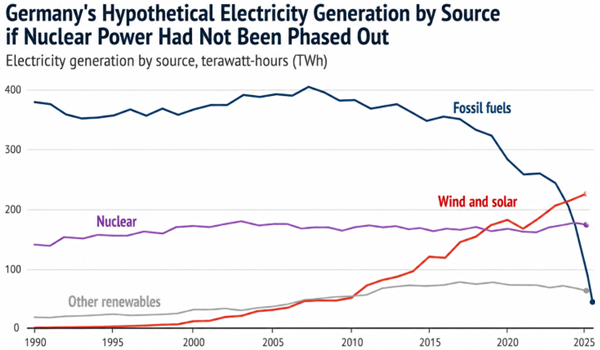
In the above graph, the remaining fossil fuel-based energy generation only accounts for 8% of the total required energy to power Germany and certainly could go down to 0% very quickly with recent trends. The model assumes only that historical nuclear power generation was maintained. If nuclear power had remained politically acceptable, additional reactor construction may also have occurred, surely eliminating fossil fuel dependence.
Below is another graph showcasing the simulation’s power output:
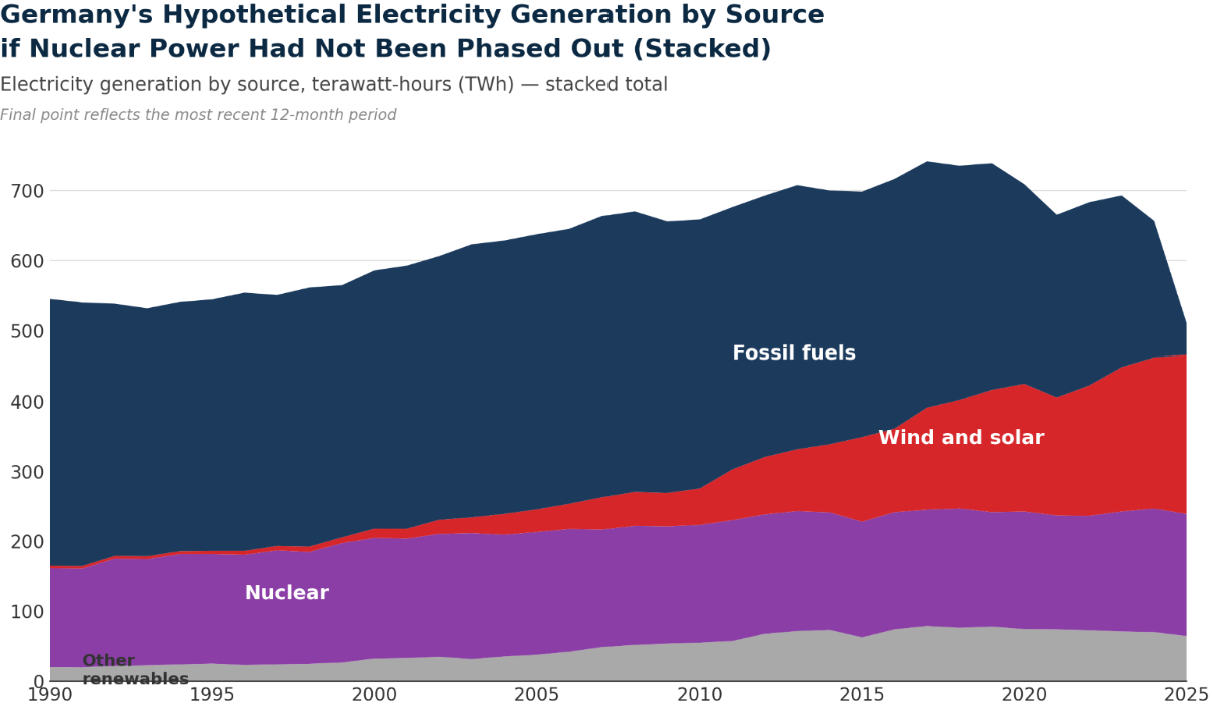
While reviewing the area graph, I realised there was a data error in the original graph from CarbonBrief due to the sudden, unrealistic drop in total energy production; however, this data error does not affect the conclusion I am making.
Germany (even without nuclear power generation now) is a real-time example that a modern nation can eliminate its reliance on fossil fuels for electric generation. Germany has demonstrated that it is possible to eliminate the need for fossil fuels through sustained investment in alternative energy sources. One of the major challenges that Germany faces is the need to find the most effective combination of clean energy sources to eliminate fossil fuels.
It is not a lack of technology that hinders a clean electric grid. We have wind, solar, nuclear, hydroelectric, and tidal power, just to name a few systems that power our electric grids. Many of the largest roadblocks to a clean grid are political and policy decisions rather than technological limitations. In other words, the bottleneck is in the “requirements document,” not in the catalogue of available machinery.
Some other countries are particularly lucky. France, for one, has a grid primarily made up of nuclear power generation, around 67%. Iceland’s electrical grid is 99.9% sustainable: it is made up of 70.5% hydroelectric power generation and 29.4% geothermal power generation. Norway’s grid is made up of 90% hydroelectric power generation. Below is a graph of France’s power grid in recent years:
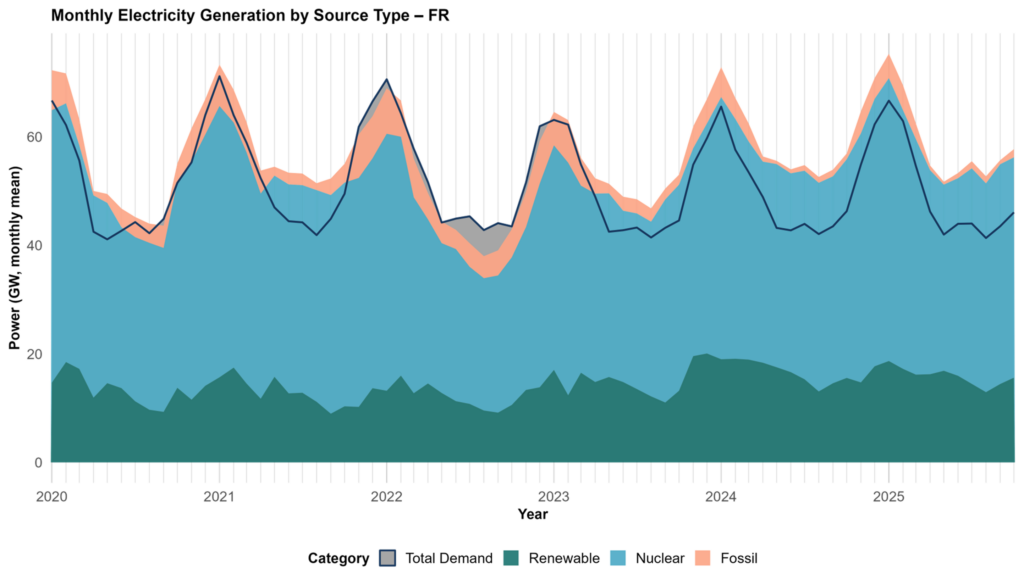
Notice the small percentage of France’s power grid that is fossil fuels. Nuclear power and renewable sources completely dominate the power grid competition because that is the combination of green energy sources that work the best for France. The dark blue line signifies the demand for power in the country. Most of the time, the demand is lower than the output; therefore, France is exporting its excess zero-carbon power.
Every country will have to develop its own sustainable energy systems, due to differing locations, climates, etc., but it is crystal clear that this is easily achievable today.
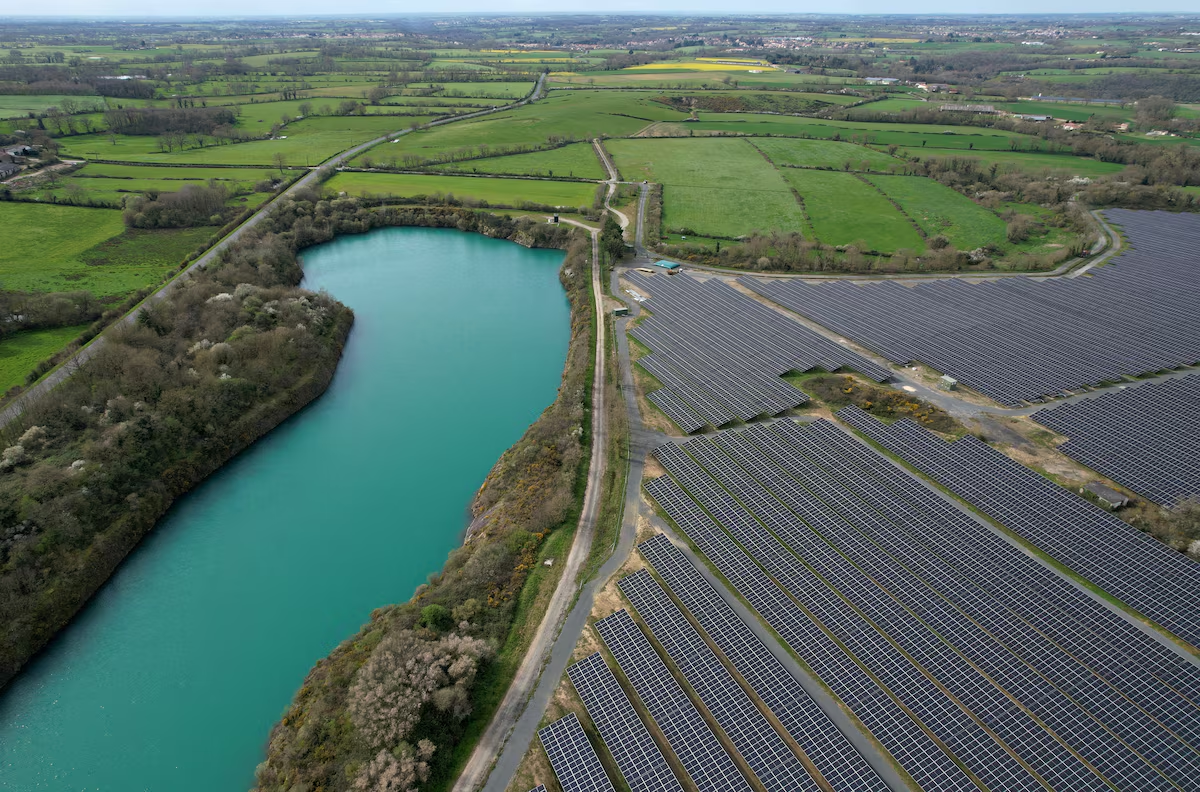
Yet not everyone agrees that ‘easily achievable’ means ‘without cost’. Critics argue that scaling up the sustainable power generation installations that most countries will need to rely on comes with a real price: the transformation of landscapes and skylines that many consider a form of visual pollution.
To see exactly what critics are talking about, it’s worth looking at how these installations reshape the landscapes around them.
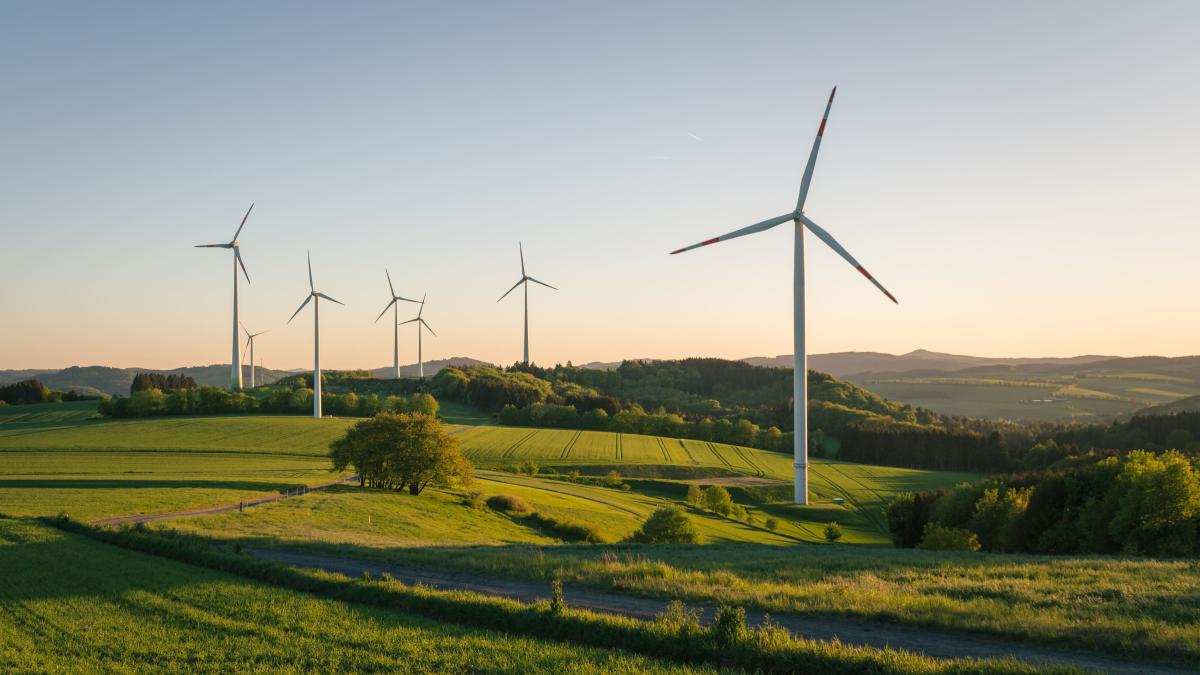
 These installations do affect the land around them, but the effect is minimal. These areas only take up small portions of space within each country. Below are some pictures of the countries listed before where they are not affected by “visual pollution”:
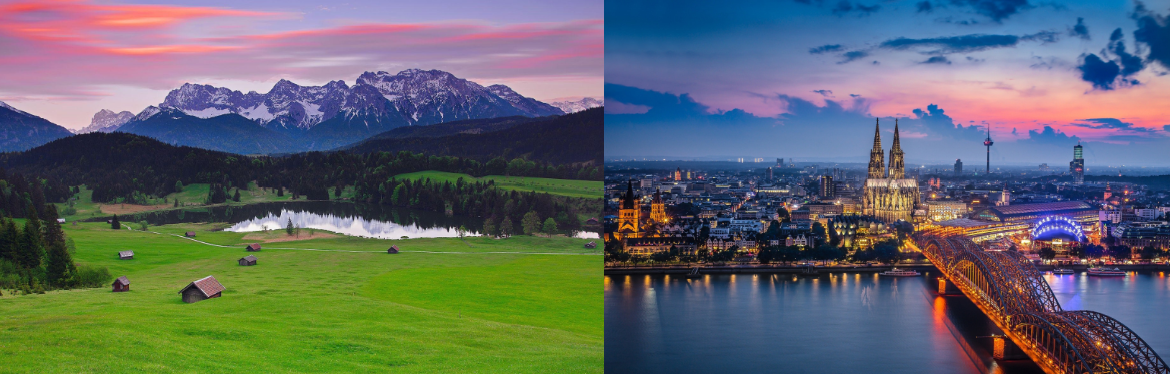
Germany
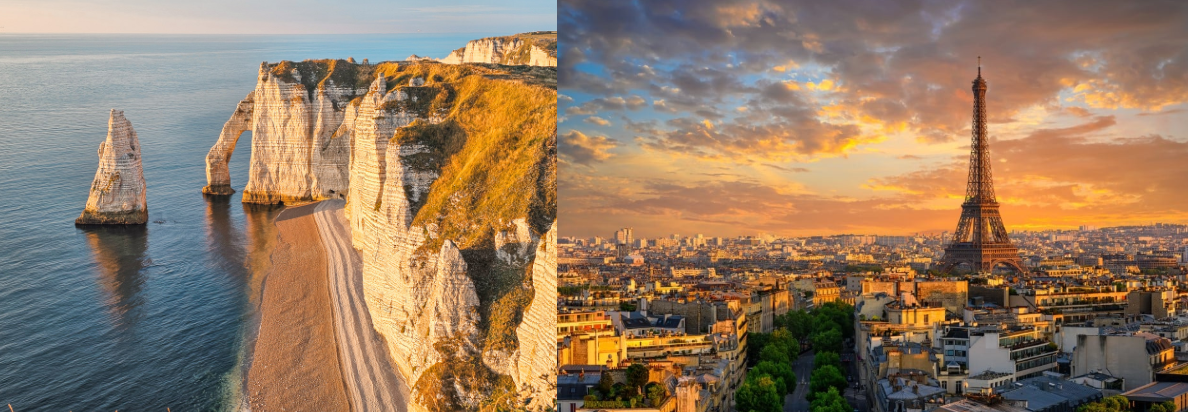
France
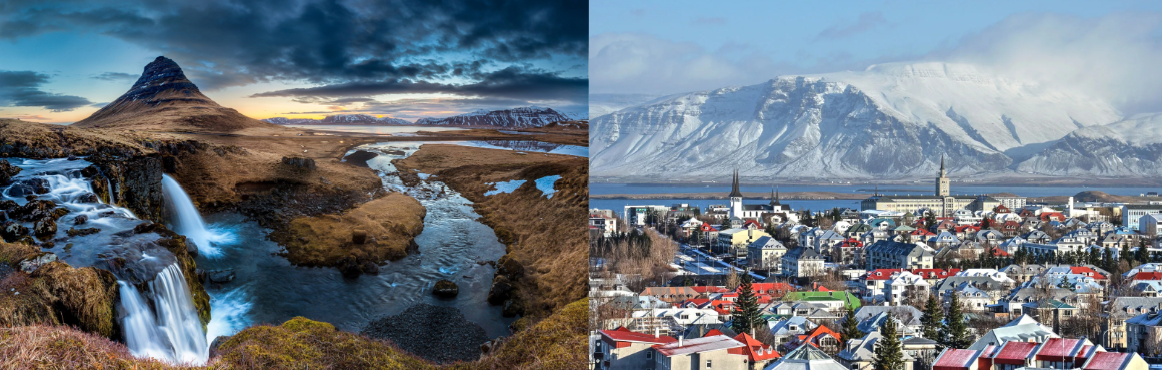
Iceland
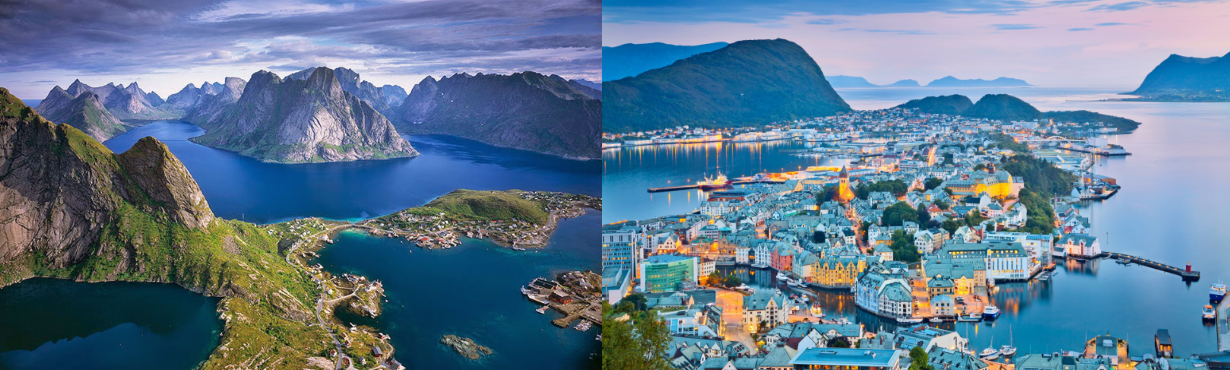
Norway
As you can see, these landscapes haven’t been ruined by turbines and solar panels dotting the horizon. The “visual pollution” critics warn about turns out to be a far smaller price to pay than the alternative of continued fossil fuel dependence.
The takeaway isn’t that every country needs to copy Germany, France, Iceland, or Norway; it’s that every country has a version of this path available to it. The only question is whether the political will exists to walk that path.
